
Dribbling Basketball: How-To Guide, Tips & PBA Basics | PITSPORT

Follow basketball live today on PitSport. Discover available live streams, upcoming matches, real-time basketball scores and daily game schedules.
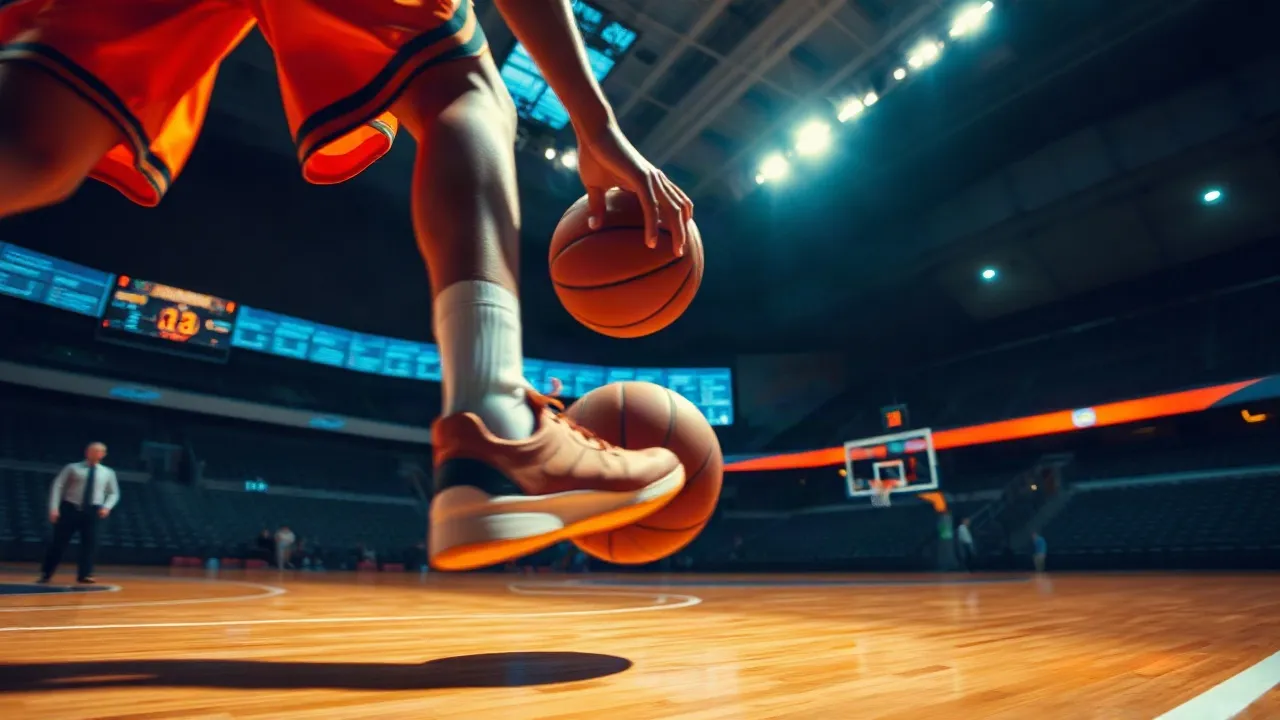
Mastering Basketball Dribbling: Your Guide to PBA-Ready Skills
Dribbling is a fundamental skill in basketball that allows players to move with the ball. It involves bouncing the ball continuously on the floor with one hand at a time. For fans in the Philippines, where basketball is practically a religion and the PBA (Philippine Basketball Association) showcases incredible talent, mastering the dribble is key to enjoying and understanding the game.
What is Dribbling and Why is it So Important?
At its core, dribbling is the act of propelling the basketball forward by repeatedly bouncing it off the floor. It's not just about moving from one end of the court to the other; it's about ball control, creating opportunities, and dictating the pace of the game. Without a solid dribble, a player is essentially a statue, unable to advance the ball or set up plays. In fast-paced leagues like the PBA, players need to dribble effectively under pressure, weaving through defenders and protecting the ball. It's the foundation upon which all other offensive skills are built.
Basic Dribbling Techniques Every Player Needs
Getting started with dribbling is straightforward, but mastering it requires practice and focus on specific techniques. Here's a breakdown of essential moves:
- Stance and Control: Begin with a balanced athletic stance, knees bent, and back relatively straight. Keep your eyes up, not glued to the ball. Use your fingertips and the pads of your hands to control the ball, not your palm. Push the ball down with force, aiming for a consistent bounce.
- Low Dribble: This is your primary defensive dribble. Keep the ball low to the ground, below your knee, making it harder for defenders to steal. Practice dribbling at different speeds while maintaining this low position.
- High Dribble: Used when you have open court and are moving quickly, the high dribble is bounced higher, around waist-level. This allows for faster movement but is more susceptible to steals.
- Crossover Dribble: A crucial move to change direction and beat a defender. From a low stance, quickly pound the ball from one hand to the other in front of your body. The key is to be quick and keep the ball low during the transition.
- Between-the-Legs Dribble: Another effective way to protect the ball and change direction. As you dribble with one hand, step forward with the opposite foot and bounce the ball between your legs to your other hand.
- Behind-the-Back Dribble: This advanced move involves dribbling the ball behind your back from one hand to the other. It’s excellent for evading defenders who are playing tight on your front side.
Tips to Elevate Your Dribbling Game
Just knowing the techniques isn't enough; consistent improvement comes from dedicated practice and smart training. Here are some tips to help you become a better dribbler, the kind you see excelling in PBA games:
- Practice Both Hands: Don't neglect your weaker hand. Dedicate equal time to dribbling with both your dominant and non-dominant hands. This makes you a more versatile and unpredictable player.
- Vary Your Dribble: Mix up low dribbles, high dribbles, and change-of-pace dribbles. Defenders will struggle to anticipate your moves if you can change speed and height effectively.
- Dribble with a Purpose: Don't just dribble for the sake of it. Dribble to advance the ball, to create space for a shot or pass, or to drive to the basket. Every dribble should have a reason.
- Visualize Your Moves: Before you even touch the ball, picture yourself executing the dribble move. This mental rehearsal can significantly improve your execution on the court.
- Stay Low and Protect the Ball: When a defender is close, always keep the ball low and use your body to shield it. Imagine there's a shield around the ball that the defender can't penetrate.
- Practice Stationary Drills First: Before taking your dribbling to the full court, master the moves while standing still. Once you're comfortable, add movement.
- Watch and Learn: Observe how your favourite PBA players dribble. Pay attention to their footwork, body positioning, and how they use their dribble to outsmart opponents. You can find plenty of exciting basketball news and highlights right here on PITSPORT that showcase these skills.
Common Dribbling Mistakes to Avoid
Even experienced players can fall into bad habits. Being aware of common pitfalls can help you correct them and become a more effective ball-handler:
- Looking Down at the Ball: This is the most common mistake. If your eyes are on the ball, you can't see open teammates, defenders, or the basket. Practice until you can dribble without looking.
- Palming the Ball: This is a violation where you carry the ball in your hand or hand-dribble. Ensure your hand is on top of the ball when you push it down.
- Dribbling Too High Under Pressure: When a defender is pressuring you, keep the dribble low and close to your body. A high dribble in traffic is an invitation for a steal.
- Not Using Your Body to Protect the Ball: Your body is your best friend when dribbling. Use your non-dribbling arm and your body to shield the ball from defenders.
- Inconsistent Dribble Force: A weak, inconsistent dribble is hard to control and can lead to fumbles. You need to push the ball with enough force to get a solid, predictable bounce.
Developing strong dribbling skills is an ongoing journey. By understanding the fundamentals, practicing diligently, and avoiding common mistakes, you'll not only improve your own game but also gain a deeper appreciation for the artistry of ball-handling you see every day in the PBA. Remember, consistent practice is key, and being able to execute these moves under pressure is what separates good players from great ones.
Sources
- FIBA (International Basketball Federation) - Official rules and game standards.
- Philippine Basketball Association (PBA) - Information on the professional league and its players.
- Basketball coaching resources - General principles of basketball skill development.
Frequently Asked Questions
What exactly is dribbling in basketball?
Dribbling is a fundamental skill in basketball that allows players to move with the ball. It involves bouncing the ball continuously on the floor with one hand at a time, which is essential for advancing the ball up the court and creating scoring opportunities, much like you see in the PBA.
How do I improve my basketball dribbling skills?
To improve your basketball dribbling, practice consistently with drills like stationary dribbling, crossover dribbles, and two-ball dribbling. Focus on keeping the ball low, using your fingertips, and maintaining control even when moving at speed, just like the pros do here on PITSPORT.
What are the basic types of dribbling moves?
Basic dribbling moves include the crossover dribble, where you switch the ball from one hand to the other in front of your body, and the hesitation dribble, which fakes out defenders. Mastering these fundamental moves is key to effective ball-handling in any game.
Why is dribbling so important in a basketball game?
Dribbling is crucial because it allows players to maintain possession of the ball while moving, break down defenses, and set up plays. Without good dribbling, a player can't effectively advance the ball or create scoring chances, making it a vital skill for any aspiring basketball player.
What are common mistakes to avoid when dribbling a basketball?
Common dribbling mistakes include looking down at the ball instead of the court, dribbling too high, and not protecting the ball from defenders. Avoiding these errors will help you keep possession and play with more confidence, something we highlight on PITSPORT.
Can you give me some tips for dribbling with my weaker hand?
To improve dribbling with your weaker hand, dedicate extra practice time to it, starting with stationary drills and gradually moving to more complex moves. Focus on developing the same feel and control you have with your dominant hand, ensuring you can handle the ball effectively on both sides.