
Offensive Foul in Basketball: What It Is & How It Happens - PITSPORT

Follow basketball live today on PitSport. Discover available live streams, upcoming matches, real-time basketball scores and daily game schedules.
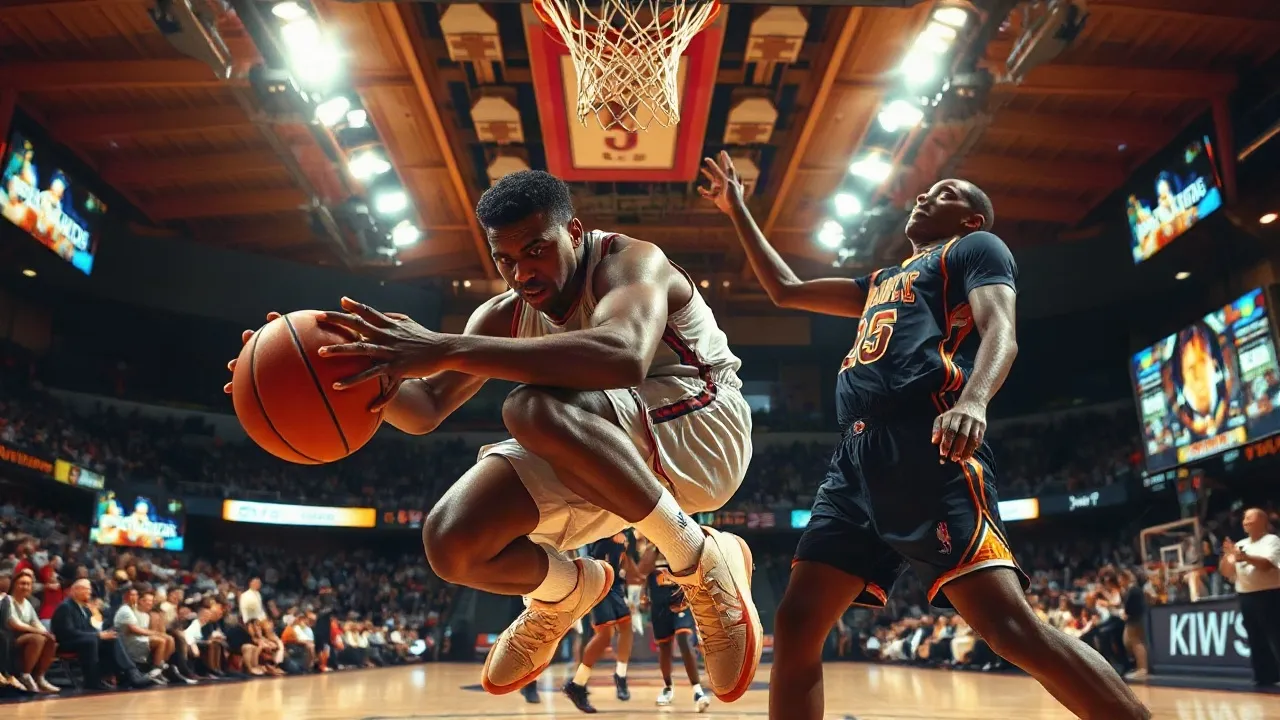
Offensive Foul in Basketball: What It Is & How It Happens
An offensive foul in basketball is a violation committed by an offensive player that results in a loss of possession and a turnover. It typically occurs when the offensive player initiates illegal physical contact with a defensive player, hindering their ability to play defense.
Understanding Offensive Fouls
In basketball, the game is a delicate balance between attacking and defending. While offensive players aim to score, they must do so without unfairly impeding the defensive players trying to stop them. An offensive foul is called when the offensive player breaks this rule by initiating illegal contact. Unlike defensive fouls, which are called on the player trying to stop the offense, offensive fouls penalize the team with the ball for their player's illegal actions. This means the opposing team gains possession of the ball, and the game restarts with them inbounding.
Common Types of Offensive Fouls
Several specific actions can lead to an offensive foul being called. Understanding these is key to appreciating the flow of the game, especially in high-stakes competitions like the PBA Governors' Cup or the FIBA Asia Cup. Here are some of the most frequent:
- Charging: This is perhaps the most common offensive foul. It happens when an offensive player with the ball runs into a stationary defender who has established legal guarding position. The defender must be in place before the offensive player makes contact. If the offensive player lowers their shoulder, extends their arm, or makes contact with their head or forearm, it's more likely to be called a charge.
- Illegal Screen (Moving Screen): Screens are a vital offensive tactic to free up teammates. However, the screener must remain stationary once they establish their position. If the screener moves into the path of a defender who cannot avoid contact, or if the screener doesn't give the defender enough space to avoid the collision, it's an illegal screen. The key is whether the defender had a reasonable chance to avoid the contact.
- Elbowing: Offensive players cannot use their elbows to clear out defenders, whether they have the ball or not. If an offensive player swings their elbow and makes contact with a defender, even if they don't intentionally try to hurt them, it can be called an offensive foul. This is common when players are trying to create space in the post or drive to the basket.
- Pushing Off: While driving to the basket or trying to get open for a pass, an offensive player might push a defender away to create space. If the offensive player uses their hands or body to shove a defender, it's a pushing-off foul. This is distinct from incidental contact.
Consequences of Committing an Offensive Foul
The immediate consequence of an offensive foul is a turnover. The team that committed the foul loses possession of the ball, and the opposing team gets to inbound the ball from the sideline or baseline, depending on where the foul occurred. Crucially, the offensive team does not get any free throws. This is a significant difference from defensive fouls, where the fouled player often gets to shoot free throws, especially if they were in the act of shooting. In some cases, particularly with flagrant fouls, an offensive player might also be ejected from the game, but this is rare for standard offensive violations.
Offensive Fouls vs. Defensive Fouls: What's the Difference?
The distinction between offensive and defensive fouls is fundamental to basketball. Defensive fouls occur when a defender initiates illegal contact with an offensive player. This often happens when a defender tries to steal the ball and hits the offensive player's hand, or when a defender impedes an offensive player's progress without establishing legal guarding position. The penalty for defensive fouls is typically free throws for the offensive player (especially if they were shooting) or possession for the offensive team. Offensive fouls, as discussed, penalize the team with the ball for their player's illegal contact, resulting in a turnover and no free throws.
Offensive Fouls in Game Situations
Imagine a fast break where a guard is driving hard to the hoop. A defender gets into position, planting their feet firmly. If the guard, instead of trying to shoot or pass, lowers their shoulder and crashes into the stationary defender, that's a charging foul. Or consider a post-up play: a player tries to back down their defender, but instead of using footwork, they violently push the defender off with their hands – that’s a pushing-off foul. Even when a player is trying to get open for a pass, if they extend their arms and push the defender away, it's a foul. Understanding the nuances of these calls helps fans appreciate the strategy and physical demands of the game, whether watching the PBA or international matchups. If you're following a game live, keeping track of possessions and understanding why turnovers occur is vital, and PITSPORT's live scores page is the place to stay updated. The intensity of the game means that sometimes the line between legal play and an offensive foul can be thin, and referees have to make split-second decisions. This is why it's so important to have reliable live updates and clear fixture information, which you can find right here on PITSPORT. For those interested in the intricacies of player movement, understanding how a player moves without the ball, such as when setting a screen or trying to get open, is crucial. This relates closely to the concept of dribbling basketball, where illegal movements with the ball can also result in violations.
Sources
- FIBA (International Basketball Federation) - Official Rules of Basketball
- Philippine Basketball Association (PBA) - League Regulations
- National Basketball Association (NBA) - Rulebook
Frequently Asked Questions
What exactly is an offensive foul in basketball?
An offensive foul in basketball is a violation where an offensive player initiates illegal physical contact with a defender, leading to a turnover. It's called when the offense breaks the rules by being too aggressive or using illegal positioning against the defense.
What are the most common types of offensive fouls?
The most common offensive fouls are charging, where an offensive player runs into a stationary defender, and illegal screening, where an offensive player sets a moving screen or doesn't give the defender enough space. These are frequently seen in games here on PITSPORT.
What happens when an offensive foul is called?
When an offensive foul is called, the play stops immediately, and the ball is turned over to the opposing team. The player who committed the foul may also receive a warning or, in some cases, be disqualified depending on the severity and context.
How is an offensive foul different from a defensive foul?
An offensive foul is committed by the team with the ball, usually involving illegal contact initiated by an offensive player, while a defensive foul is committed by the player without the ball, typically involving illegal contact while trying to guard an opponent. You can see both types of calls as they happen live on PITSPORT.
Can you give an example of an offensive foul in a game?
Sure, a classic example is a player driving to the basket and lowering their shoulder to push off a defender who has established a legal guarding position. This illegal contact by the offensive player results in an offensive foul.